The Debt Trap vs. The Reward Loop: Choosing Your Path
A psychological deep dive into credit card design. Learn how to identify the 'nudge' and stay on the winning side of the reward equation.
Most people think credit card debt happens because of a sudden emergency or a lack of math skills. In reality, it usually happens because of high-tech psychology. Banks do not just hand out plastic cards; they hand out carefully engineered nudges designed to influence how your brain perceives value.
The game is rigged to lead you toward the Debt Trap, but with the right mental framework, you can stay firmly in the Reward Loop. Here is the psychological deep dive into how the system tries to play you and how you can play it back.
The “Pain of Paying” and the Invisible Transaction
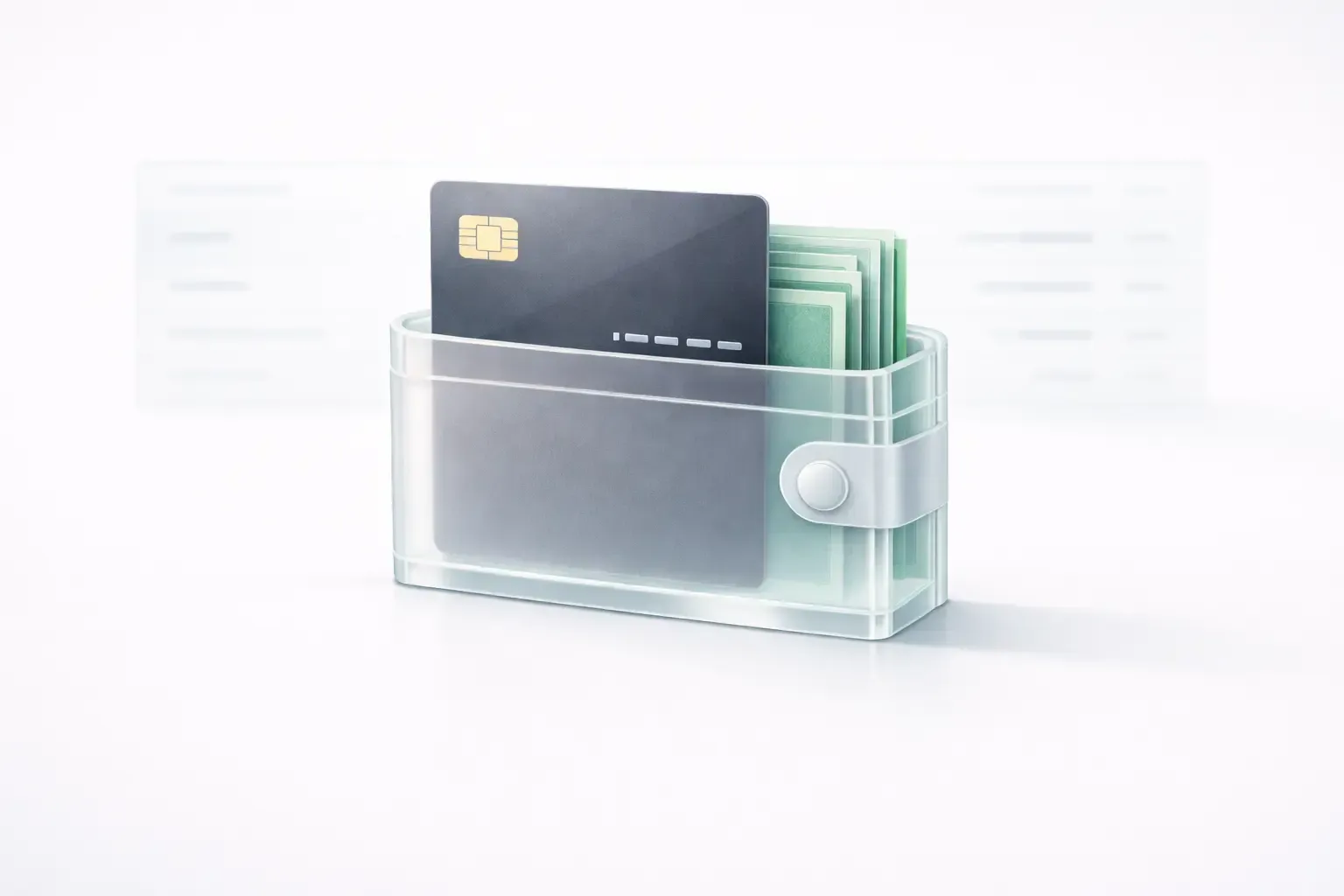
Human beings are wired to feel a physical ping of pain when we lose a resource. When you hand over a crisp ₹500 note, your brain registers the loss immediately. You see the wallet get thinner. You feel the friction.
Credit cards are designed to eliminate this “Pain of Paying.” When you swipe, nothing leaves your hand but a piece of plastic that you get right back. There is no immediate deduction from your bank balance and no physical loss. Consequently, there is no “stop” signal to your brain. This invisible transaction is the first step toward the Debt Trap because it makes spending feel like a consequence-free action.
The Frictionless Slide: Why “Easy” is Dangerous
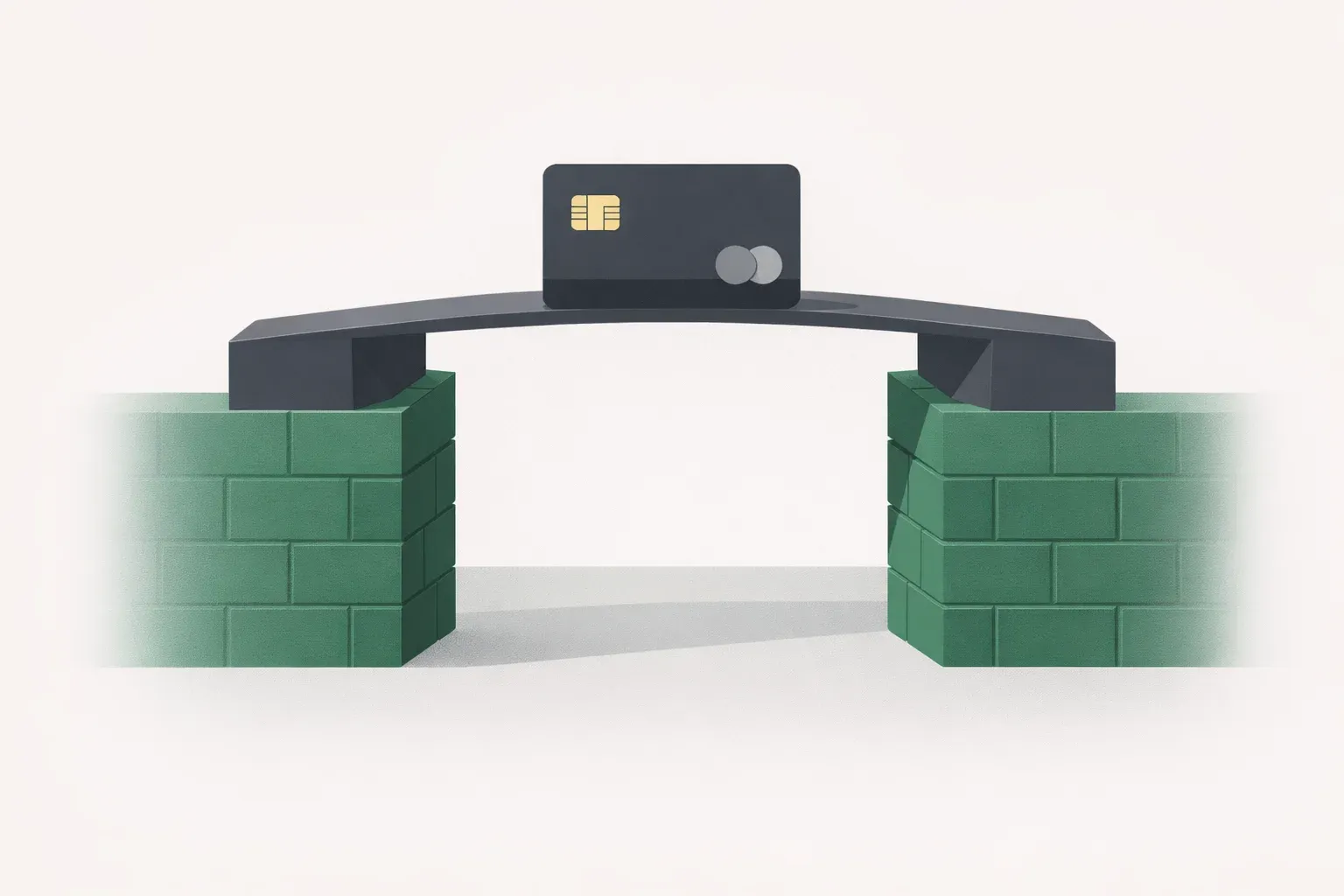
Think about how much effort banks put into making spending “one-tap” or frictionless. From contactless payments to saved card details on shopping apps, every barrier between you and a purchase is being systematically removed.
While this feels like convenience, it is actually a psychological slide. Every millisecond of friction you lose is a millisecond of rational thinking time you lose. In the Reward Loop, we intentionally re-introduce friction. We treat every swipe as a heavy decision by mentally subtracting the amount from our bank balance the moment the machine beeps.
The Reward Mirage: Don’t Let the Carrot Lead You
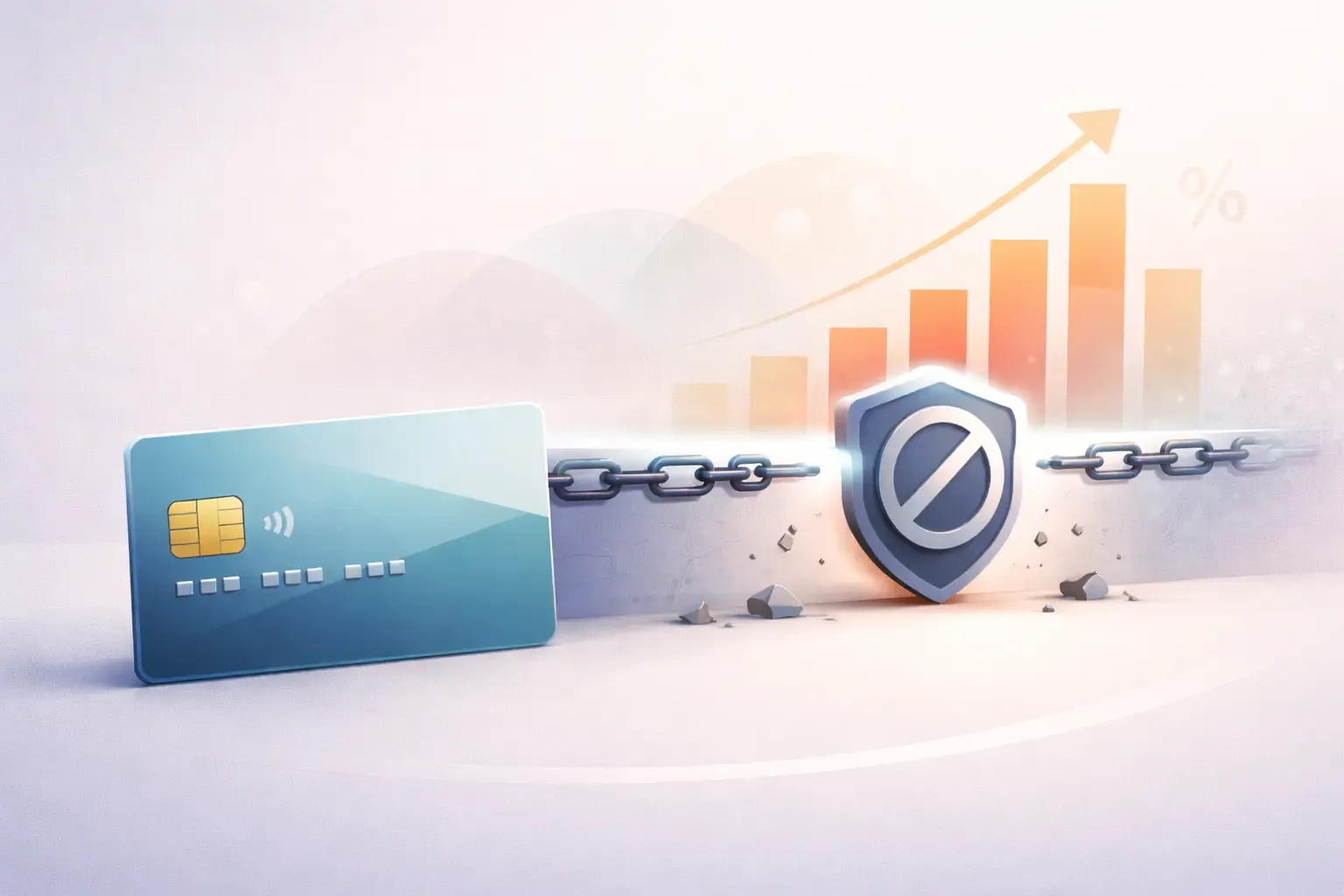
Rewards are the carrot that banks use to keep you in the game. They offer 5x points or 10% cashback to make spending feel like earning. Psychologically, this shifts your focus from the cost of the item to the benefit of the points.
This is the most common way people slip into the Debt Trap. They buy things they do not need to hit a milestone or maximize a promo. The Reward Loop mindset is different: you never spend to get points; you get points because you spent. If you find yourself justifying a purchase because the rewards are great, you are already being nudged toward the trap.
The Path You Choose: Trapped vs. Winning
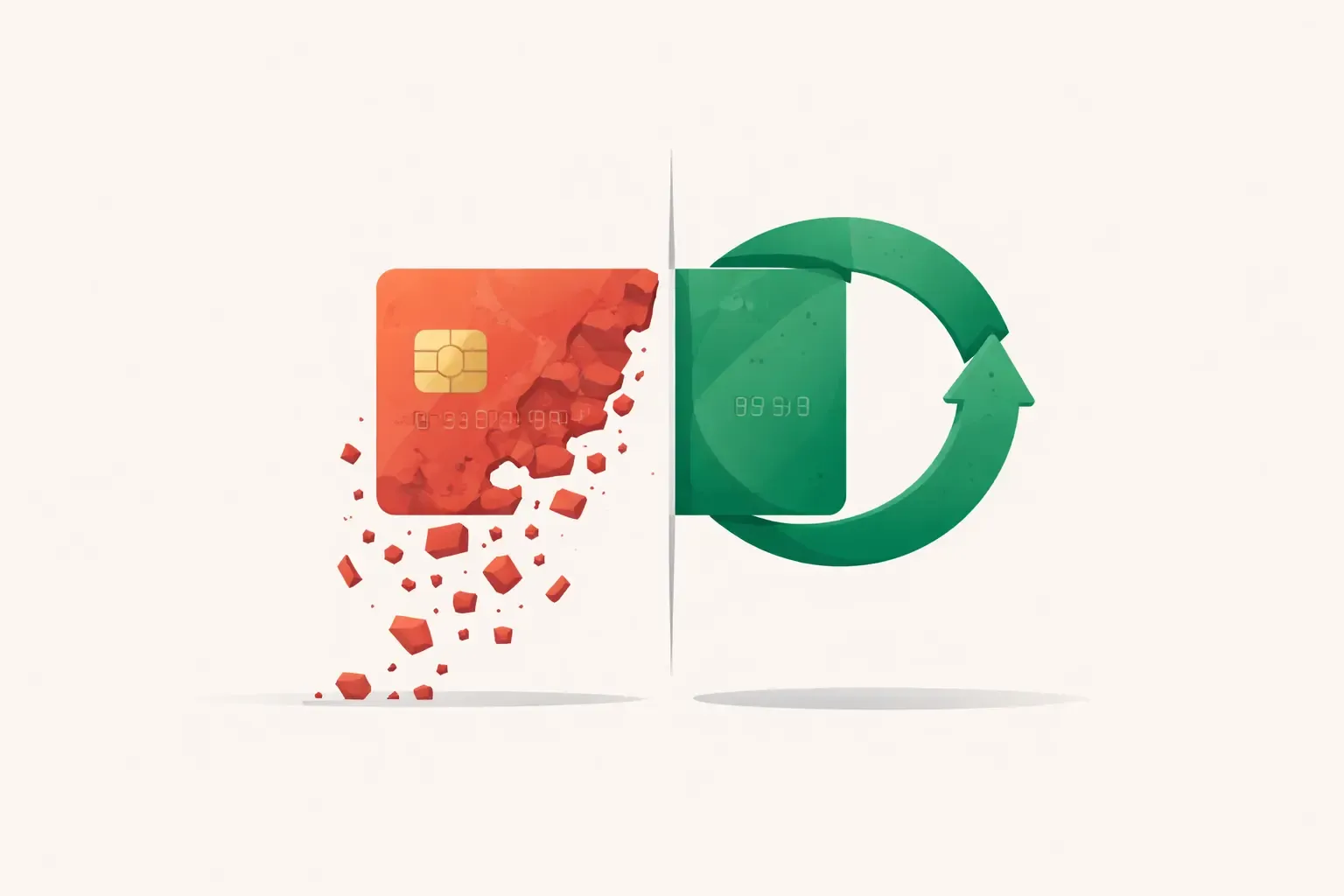
The Debt Trap and the Reward Loop are two sides of the same coin. The Debt Trap thrives on impulsivity, invisible money, and chasing rewards at any cost. It is a path where the bank is the silent partner in every paycheck you earn.
The Reward Loop is built on the “Debit-Mindset.” You use the bank’s money for security and points, but you settle the score immediately. You are not spending credit; you are simply using a more efficient way to spend the cash you already have. In this loop, you are not the customer being harvested. Instead, you are the one harvesting the system.
Choosing the Loop
Mastering your credit cards isn’t just about knowing the rules of the bank; it’s about knowing the rules of your own brain. When you recognize that every “convenient” feature is a subtle nudge to spend, you gain the power to push back.
Choosing the Reward Loop means deciding that you will no longer be the product the bank sells to its shareholders. It means using their technology and their capital to fund your goals, while giving them absolutely nothing in return. It is a quiet, disciplined victory that compounds every single month.
The one line to remember: The bank is betting on your psychology; the Reward Loop is betting on your discipline.