Secured vs. Unsecured: How to Get a Card if You Have No Credit History
The Catch-22 of credit: You need history to get a card, but need a card to get history. Here is the technical solution using Fixed Deposits.
If you have ever tried to apply for your first credit card, you have likely run into the classic Catch-22 of the financial world: You cannot get a credit card because you have no credit history, but you cannot build a credit history because no one will give you a card.
For students, homemakers, or first time earners, this wall can feel impossible to climb. However, there is a functional backdoor into the Reward Loop that is often overlooked. This is the mechanism of the Secured Credit Card.
The Two Paths: Unsecured vs. Secured
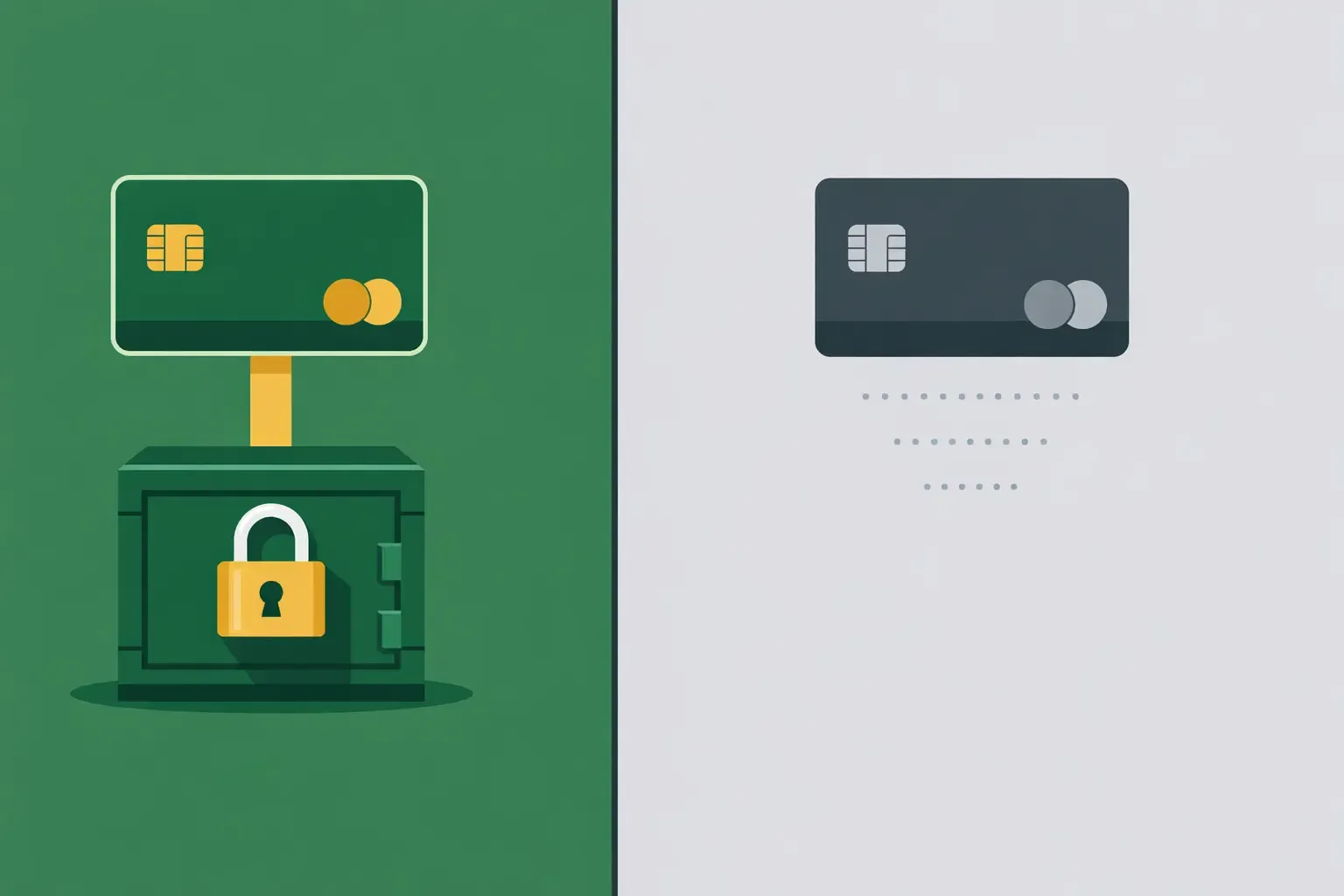
Most credit cards people talk about are Unsecured Cards. This means the bank gives you a credit limit based entirely on your reputation, which is your income and your CIBIL score. There is no collateral. If you do not pay, the bank has to chase you for the money. Because there is no safety net for the lender, they only issue these to people with proven track records.
A Secured Card, on the other hand, is backed by a Fixed Deposit (FD). You provide the bank with a sum of money to hold in a deposit. In return, they provide you with a credit card with a limit typically equal to a percentage of that deposit. The money in your deposit acts as a guarantee.
The Technical Entry Point
The secured card is a technical tool for those starting at zero. It bypasses the need for income proof or a prior credit score because the bank takes zero risk. If a bill goes unpaid, the bank simply recovers the funds from the linked deposit.
For the user, this provides three specific advantages:
- Guaranteed Access: It allows anyone to enter the credit ecosystem regardless of their current employment status or credit history.
- Interest on Collateral: The deposit used to secure the card continues to earn interest at the bank’s standard rates. You are not losing the time value of your money while it sits as security.
- The Reporting Mechanism: To the credit bureaus, a secured card is reported exactly like an unsecured card. Every on time payment builds your score, allowing you to establish the “Financial Identity” required for premium products later.
The Strategic Transition
The goal of using a secured card is not to keep it forever. It is a temporary bridge. By using a secured card for 6 to 12 months, you generate enough data for the credit bureaus to calculate a reliable score.
Once your score crosses a certain threshold, the system no longer views you as a risk. At this point, most users can apply for a standard unsecured card. Once approved for an unsecured card, you can close the secured card and unlock your original deposit. It is a strategic deployment of capital to build a reputation.
The Path to Financial Sovereignty
Starting with a secured card is a move of strategic patience. It is the fastest way to prove to the financial system that you understand the mechanics of the Reward Loop. By the time you graduate to an unsecured card, you will have already practiced the habits needed to manage credit without ever paying a rupee in interest. You are not just getting a piece of plastic; you are building the foundation of a financial reputation that will serve you for decades.