Credit Card 101: What is it, and Why Does it Actually Exist?
Stop fearing the plastic. Discover why a credit card is actually a high-tech 'buffer' for your bank account and how to use the system without becoming its lunch.
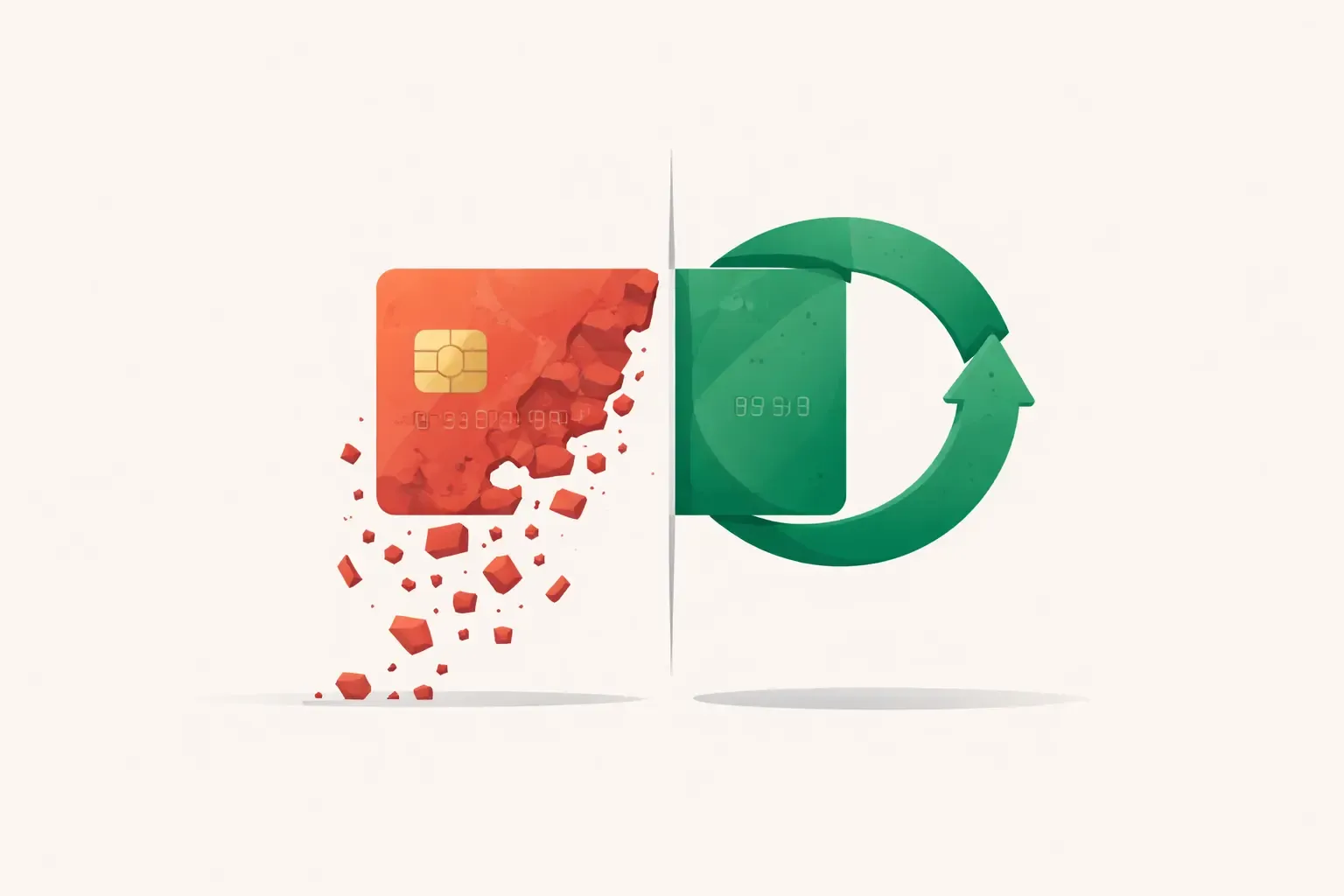
If you grew up in an Indian household, you’ve probably heard the “Credit Card Ghost Story.” It goes something like this: “Beta, credit cards are a debt trap. They are the reason people lose their houses. Stick to cash; if you don’t have it in your pocket, you can’t afford it.”
That warning comes from a place of love, but it’s a bit like saying “don’t ever drive a car because you might crash.”
In 2026, a credit card isn’t a loan you take because you’re broke. It is a sophisticated payment tool designed to sit between your hard-earned savings and the outside world. Think of it as a financial “bodyguard.”
The Golden Rule: A credit card is an agreement, not a gift card.
So what is a credit card, really?
Imagine you go to a cafe with a very wealthy, very fast friend (let’s call him “The Bank”). Every time you buy a coffee, your friend jumps in and pays for you. He doesn’t want the money back right now. He just keeps a little notebook of everything he bought for you.
At the end of the month, he hands you the notebook and says, “Here is what you owe me. Pay me back by next Friday and we’re cool.”
That “notebook” is your statement. That “delay” is the defining feature of a credit card. You aren’t spending your money today; you are promising to settle up tomorrow.
Why does it feel so easy to swipe?
There is a scientific reason why swiping a credit card feels “painless” compared to handing over a crisp ₹500 note.
When you pay with cash, you see the physical loss. When you pay with a debit card, your banking app pings you immediately with a “Balance Deducted” notification. But with a credit card? Silence. Nothing happens to your bank balance. There is no “moment of hurt.”
The Psychology: Delayed payment lowers the “pain of paying.” And when it doesn’t hurt, we spend more.
Banks know this. The friction-free experience is a feature, not a bug. They aren’t hoping you’re “bad” with money; they are betting on human psychology.
The “Free” Money Mystery: How do Banks make a profit?
If you pay your bill in full every month, you might wonder: “How is the bank making money off me? Am I the one winning?”
The bank is a business, not a charity. They have three main ways of getting paid:
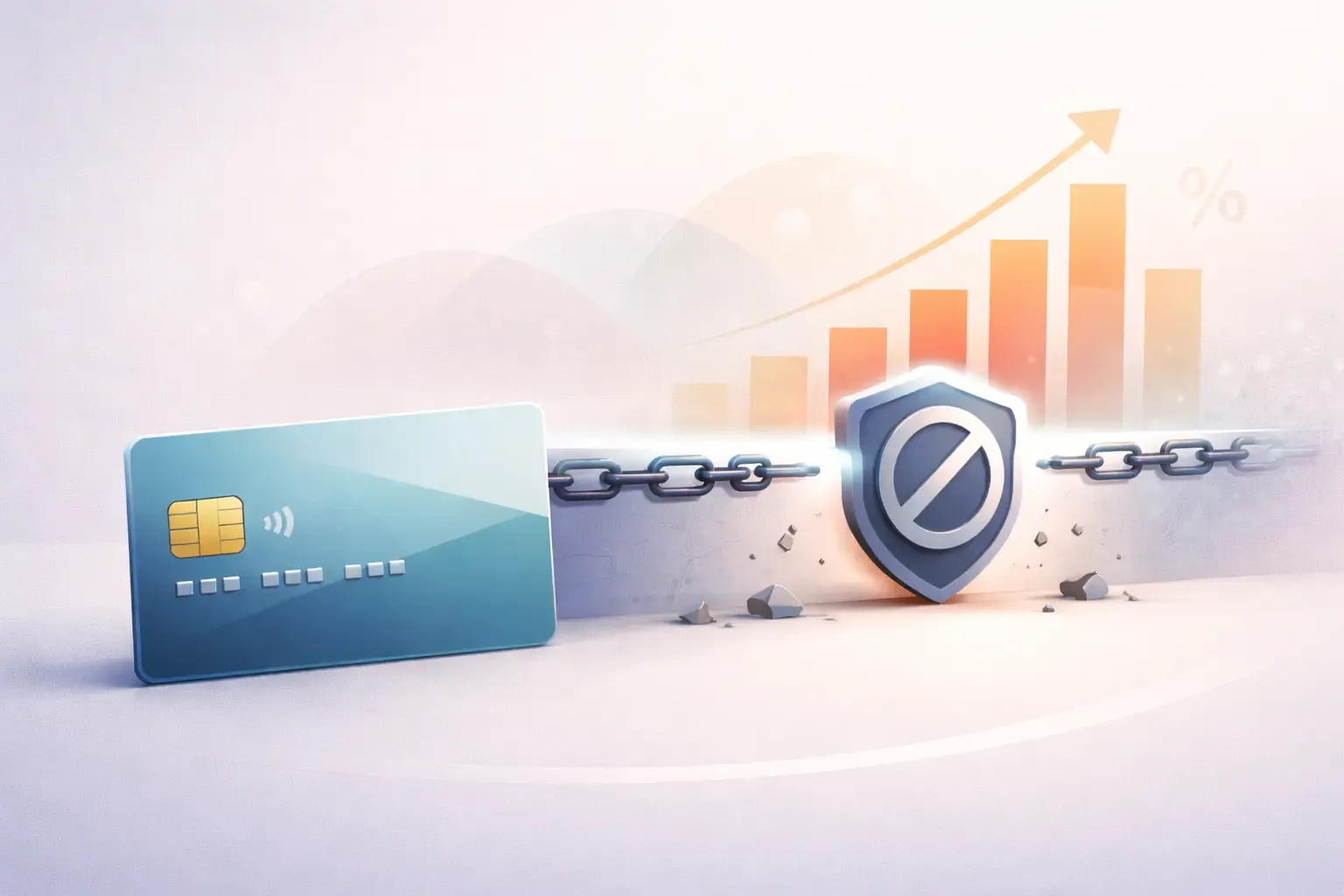
- The “Ouch” Rates (Interest): If you don’t pay that notebook (statement) back in full, they charge interest—usually 40%+ per year. This is where the “debt trap” stories come from.
- The Sneaky Fees: Annual fees, late fees, and the “oops-I-used-it-abroad” fees.
- The Merchant Slice (MDR): Every time you swipe, the shopkeeper pays a small fee (about 1-3%) to the bank for the privilege of accepting your card.
Then why do they give me “Free” Airfield Lounges and Cashback?
Rewards are the “Carrot” on the stick.
Banks want you to choose your credit card over UPI or Cash because every time you do, they collect that Merchant Fee (MDR). Rewards are simply the bank sharing a small slice of that fee with you to keep you loyal.
Pro Tip: Rewards don’t make spending profitable. They just make it slightly discounted.
Credit Card vs. Debit Card: The Security “Buffer”
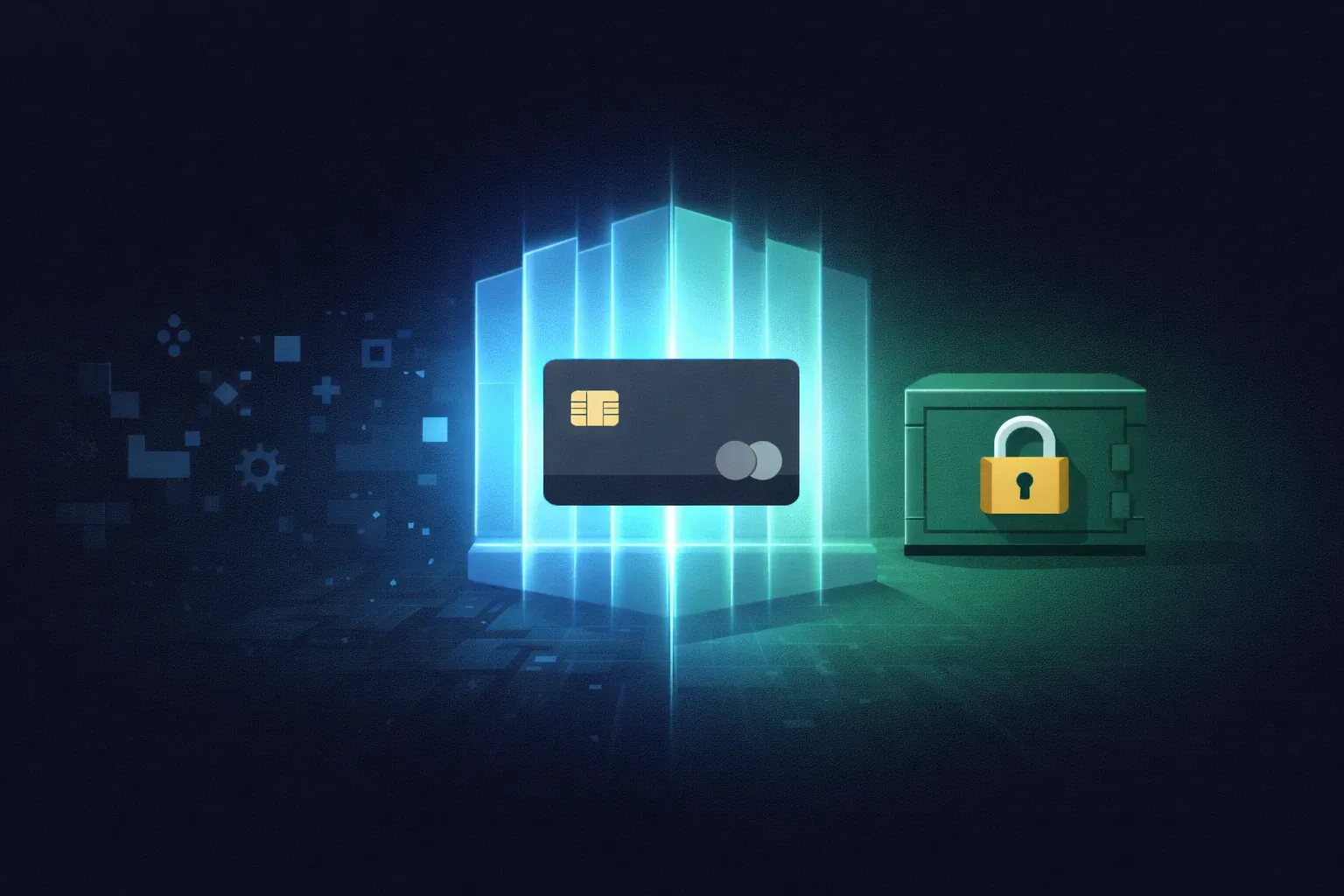
This is the part your parents probably didn’t tell you. A credit card is actually safer than a debit card.
- Debit Card: Uses your past earnings. If a hacker steals your debit card info, your rent money is gone instantly. You have to fight the bank to get your money back.
- Credit Card: Uses the bank’s money. If a hacker swipes your credit card, you simply tell the bank, “I didn’t buy that.” You aren’t out of pocket while they investigate. It’s their money on the line, not yours.
The One Idea Worth Remembering
A credit card is like a high-performance sports car. In the hands of someone who knows how to drive (and where the brakes are), it’s the fastest way to get where you’re going. In the hands of someone who just floors the gas? That’s where the accidents happen.
Internalize this: A credit card delays payment. It does not eliminate it.
Understanding before optimization
Before thinking about points, lounge access, or premium cards, you must see the machine for what it is. Most “horror stories” about credit cards don’t come from the product itself; they come from using a high-performance tool without reading the manual.
Once the fundamentals are clear, the “debt trap” disappears, and the “reward loop” begins. A credit card is only as dangerous as the person holding it. If you treat it with respect, pay your dues in full, and stay disciplined, you aren’t just a customer; you’re the one in the driver’s seat.
Credit cards are far simpler than the marketing makes them appear. Own the tool, don’t let the tool own you.