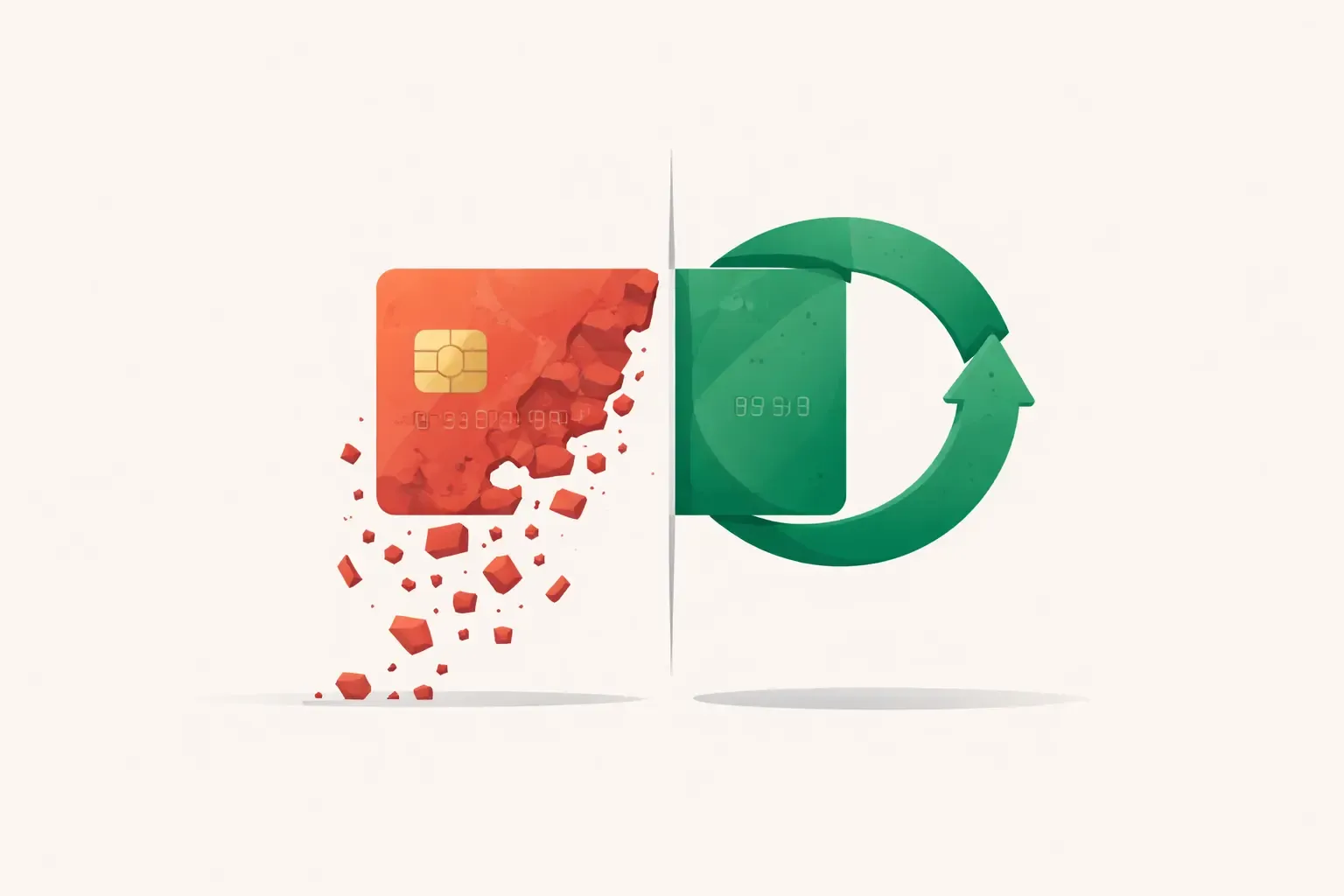
The Safety Net Paradox: Emergency Fund vs. Credit Line
Using a credit card as your emergency fund can trigger a debt spiral. Here is how to build a real financial safety net that holds.
In the Reward Vita philosophy, we treat your finances like a high-performance engine. An engine needs a cooling system (the Emergency Fund) to prevent it from overheating. If you try to use the fuel line (your Credit Card) to cool the engine, you might keep things running for a few extra miles, but you are setting the stage for a total explosion.
There is a fundamental difference between Liquidity (Cash) and Debt (Credit). Understanding this distinction is what keeps you in the Reward Loop and out of the Debt Trap.
1. The Cost of Access: 0% vs. 42%
The primary difference between using your savings and using your credit card is the “Price of Admission.”
- Emergency Fund (Cash): When you spend ₹1,00,000 from your savings, the cost is simply the interest you would have earned (approx. 4%–7% per annum).
- Credit Line (Debt): If you charge ₹1,00,000 to a card and cannot pay it back within 30 days, you are immediately hit with interest rates ranging from 36% to 48% per annum. > The Trap: Using a credit card for an emergency often turns a one-time crisis into a multi-year debt cycle. You end up paying for the emergency three times over in interest.
2. The Fragility of Credit: Why Banks “Pull the Plug”
The most dangerous part of relying on a credit card as your only safety net is that your credit line is not guaranteed.
Banks are designed to lend you an umbrella when it is sunny and take it back the moment it starts to rain. If you lose your job and your credit score begins to dip, the bank may:
- Lower your credit limit suddenly (a practice known as “ Balance Chasing ”).
- Close your account if they perceive you as a high-risk borrower.
- Reject your transaction at the exact moment you need it most.
3. The Layered Strategy: Primary vs. Secondary
In a healthy Reward Loop, we use a Layered Defense strategy. Your credit card is a tactical tool, not a strategic reserve.
Layer 1: The Cash Reserve (Primary)
- Purpose: To cover 3–6 months of essential living expenses (Rent, Food, Utilities, Insurance).
- Benefit: Absolute certainty. This money is yours, and no bank can cancel your access to it.
Layer 2: The Credit Line (Secondary)
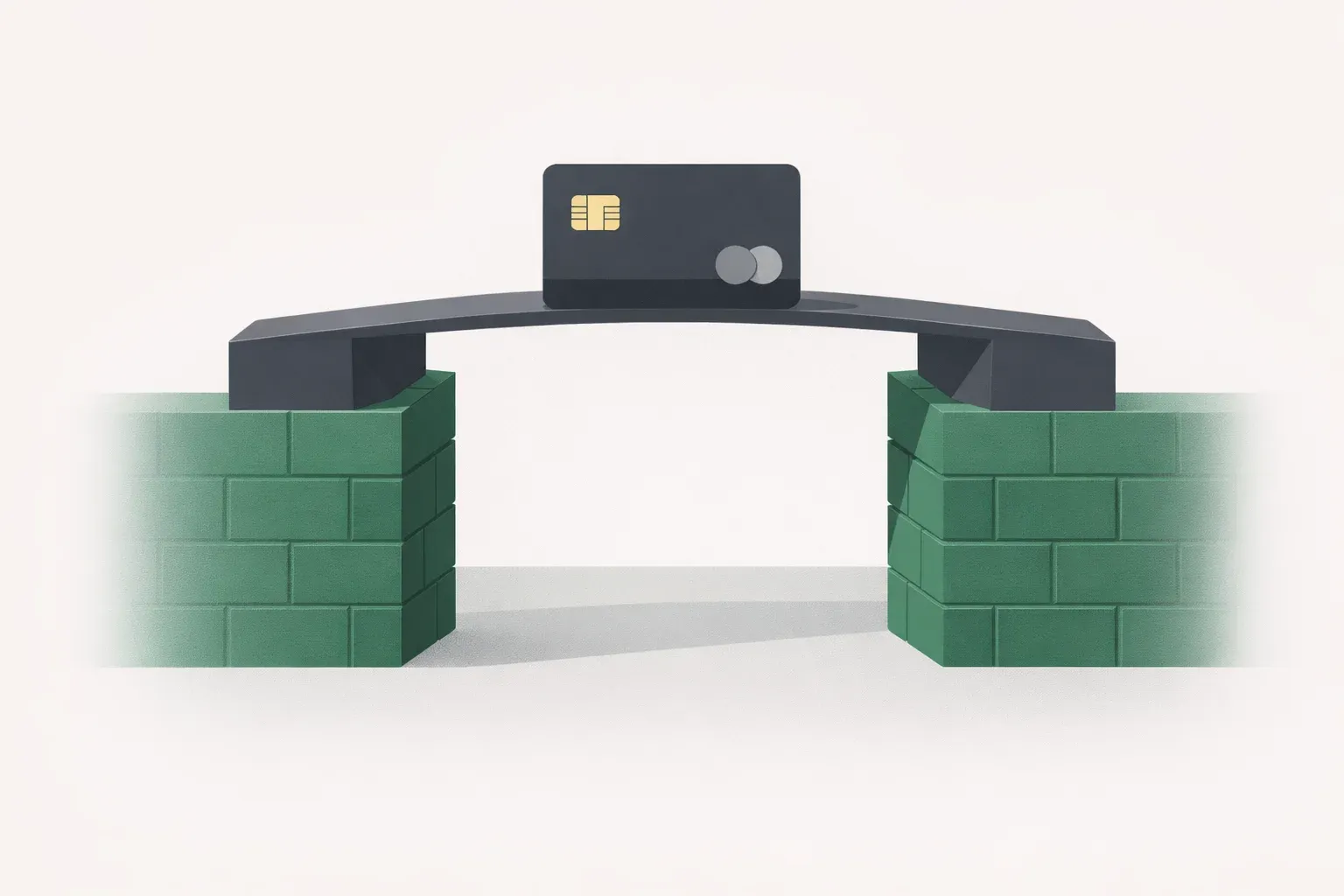
- Purpose: To act as a Bridge.
- The Move: In an emergency, you swipe your credit card first to take advantage of the 45-day interest-free period and earn reward points.
- The Finish: You then use your Layer 1 Cash Reserve to pay off that credit card bill in full before the due date.
Summary: The Comparative Breakdown
| Feature | Emergency Fund (Cash) | Credit Line (Card) |
|---|---|---|
| Direct Cost | None (Minor Lost Interest) | Extreme (36%–48% annual interest) |
| Reliability | 100% (Guaranteed access) | Low (Bank can reduce limit at any time) |
| Impact on CIBIL | None | High (Utilization spikes drop your score) |
| The “Vibe” | Peace of Mind | The Stress of Debt |
The Reward Vita Protocol: Building the Wall
If you do not have a primary safety net yet, stop focusing on reward points and start focusing on The Wall.
- The Starter Fund: Save ₹50,000 as fast as possible. This covers 90% of minor “emergencies” like car repairs or appliance failures.
- The Full Buffer: Build up to 6 months of expenses in a liquid savings account.
- The Credit Bridge: Only once The Wall is built do you look for high-limit credit cards to serve as your secondary bridge.
By using your credit card as a bridge rather than a bank, you stay in control. You get the points, you get the 45-day float, and you never pay a single rupee in interest.