The Financial Firewall: Why Credit Cards Rule Online Security
Why the credit card is the ultimate tool for protecting your digital identity and your hard-earned cash compared to debit cards.
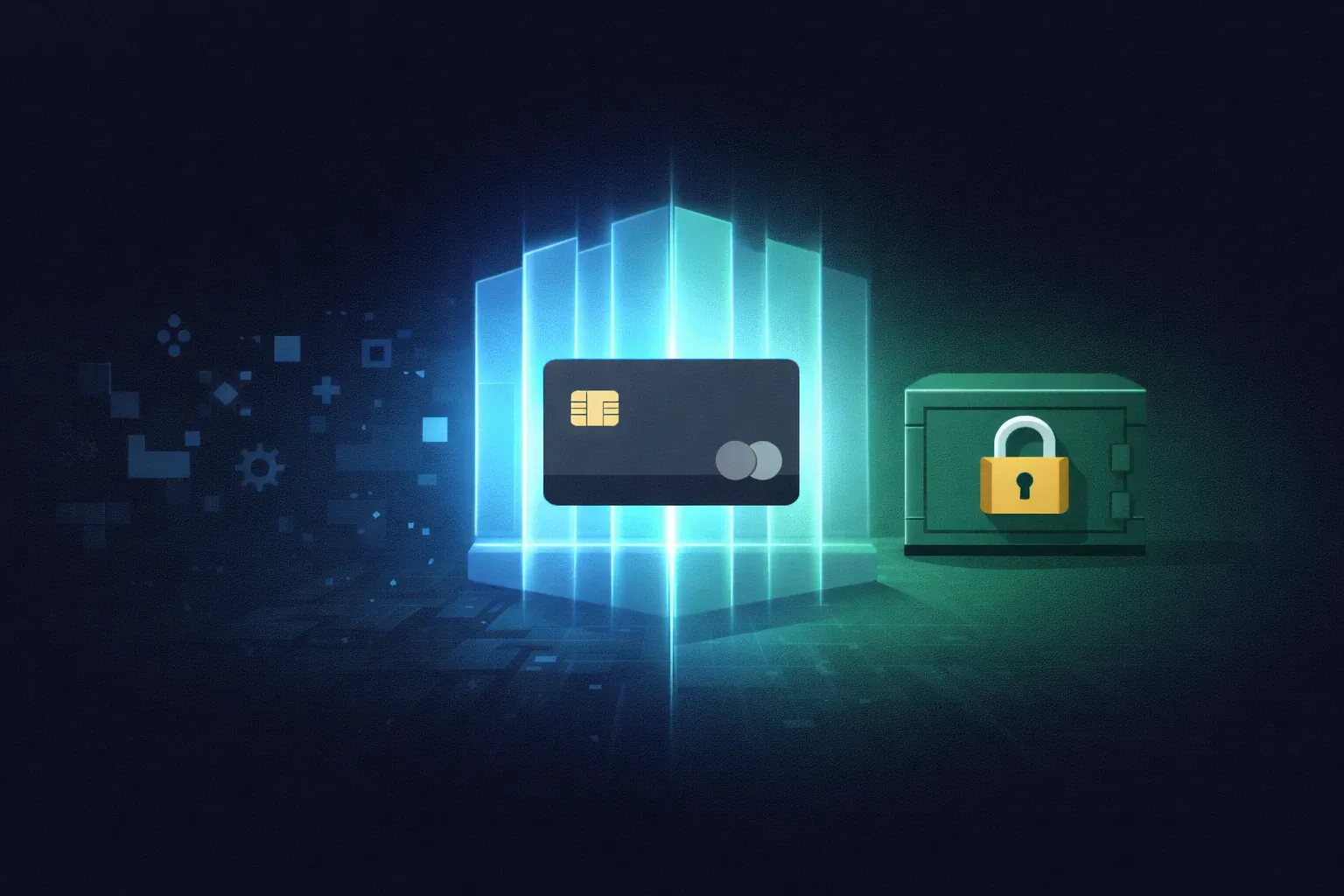
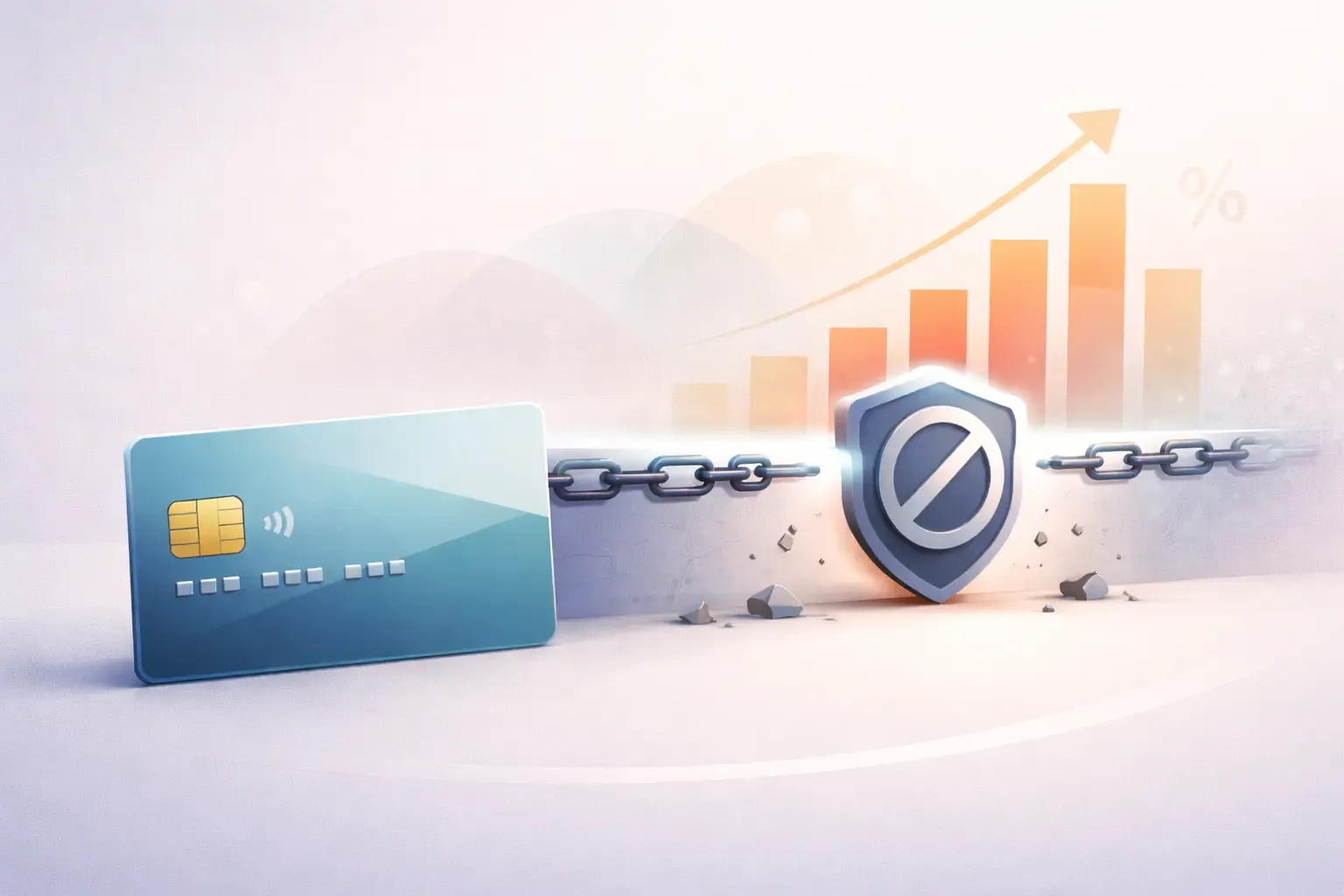
In the Reward Vita series, we don’t just use credit cards for points; we use them as a “financial firewall.” When you shop online, you are essentially opening a window into your money. If you use a debit card, that window leads directly to your life savings. If you use a credit card, it leads to a strictly controlled room owned by the bank.
In 2026, the question is no longer if a database you’ve used will be breached, but when. When that breach happens, the type of plastic you used to pay determines whether you have a minor administrative task or a financial crisis on your hands.
1. The Buffer Zone: Bank Money vs. Your Money
The single most important difference between credit and debit is whose money is at risk during a transaction.
- Debit Card: When a hacker gets your debit card details, they are stealing your money. Your rent, grocery, and utility funds disappear instantly. While you can fight to get it back, you are “out of pocket” while the bank investigates.
- Credit Card: When a credit card is compromised, the hacker is stealing the bank’s money. You haven’t lost a single rupee from your savings. You simply report the fraud, and the bank removes the charge from your statement.
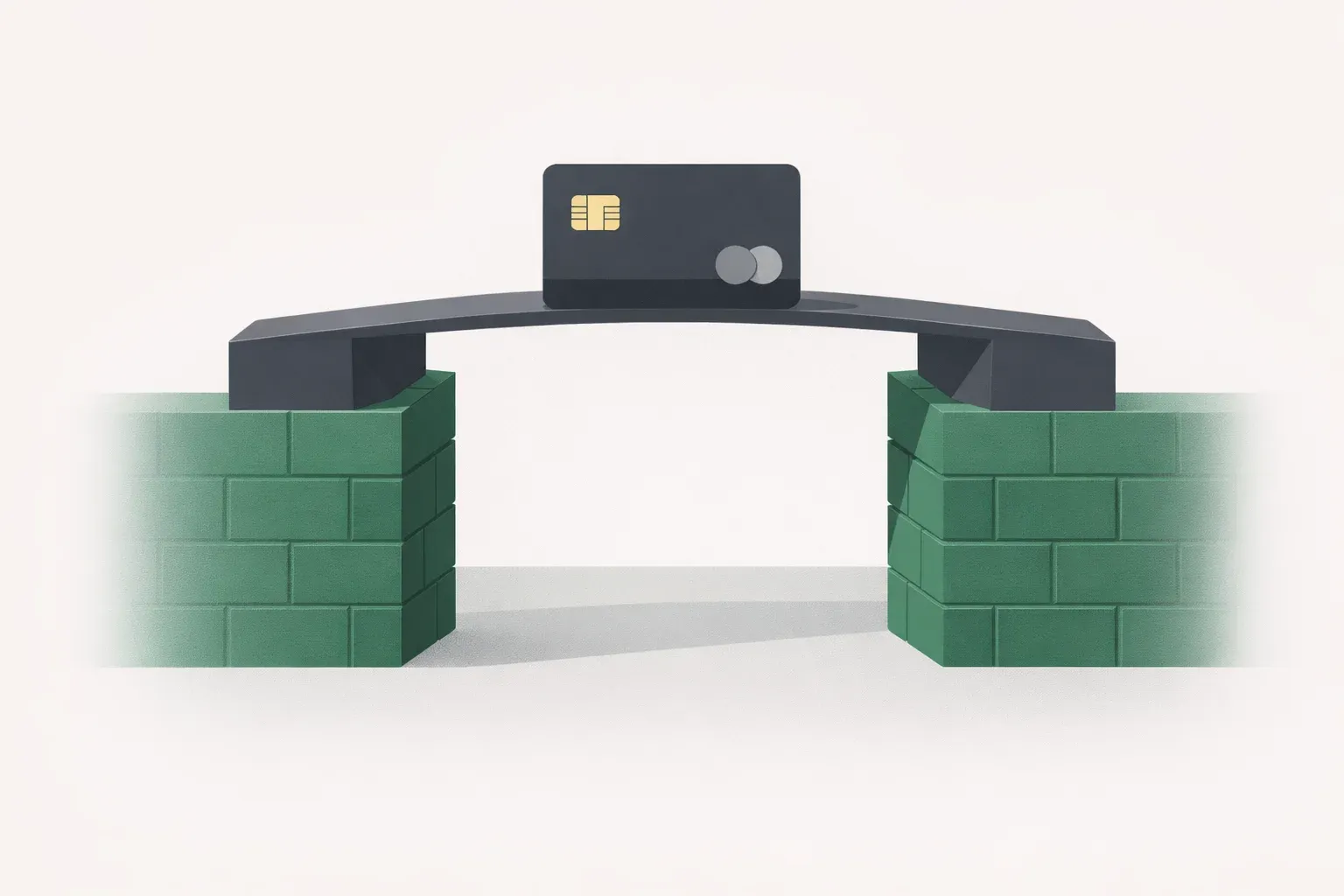
Reward Vita Insight: A credit card acts as a buffer. It places a billion-dollar institution between a scammer and your actual bank account.
2. Your Secret Weapon: The Chargeback
While a refund is a favor from a merchant, a Chargeback is a legal right provided by card networks (Visa, Mastercard, Amex, and RuPay).
If you order a laptop and receive a box of bricks—or if a travel website disappears after taking your money—you can initiate a chargeback. The bank “pulls” the money back from the merchant’s account while they investigate.
- The Power of Provisional Credit: In many cases, once you file a dispute, the bank provides a provisional credit. This means the disputed amount is wiped from your “amount due” immediately so you don’t have to pay for the fraud while the bank spends 60–120 days investigating.
3. Zero-Liability & The Identity Shield
Under RBI guidelines and global network policies, most credit cards feature Zero-Liability Protection. This is a guarantee that you are not held responsible for unauthorized charges if reported promptly (usually within 3 working days).
Why Credit is Safer for Your “Identity”:
- Tokenization : Modern apps do not store your real 16-digit card number. They store a “Token”—a digital alias. Even if the app is hacked, the hacker gets a useless string of code, not your real card.
- Account Isolation: Your debit card is linked to your Permanent Identity (your bank account and salary). Your credit card is a revolving account. If it’s compromised, you simply “delete” the card and get a new one without needing to change your bank account.
- Virtual Cards: When shopping on a new or unfamiliar site, use a virtual card number if your bank provides one.
Summary: Credit vs. Debit Security
| Feature | Credit Card | Debit Card |
|---|---|---|
| Direct Fund Access | No (Bank’s Money) | Yes (Your Savings) |
| Fraud Liability | Usually ₹0 (Zero Liability) | Potential loss of funds during investigation |
| Dispute Power | Strong (Chargeback Rights) | Moderate to Weak |
| Account Safety | Isolated from savings | Directly linked to savings |
| Safety Net | Provisional credit during dispute | Money stays gone until resolved |
The Reward Vita Protocol for Online Shopping
To maximize your security, follow these three steps:
- Never use a Debit Card online. Reserve your debit card for one thing only: withdrawing cash from a trusted bank ATM.
- Enable Transaction Alerts. Set your app to notify you via SMS and Email for every transaction over ₹1.
- Report Within 72 Hours. If you see a charge you don’t recognize, call the bank immediately. Under RBI rules, reporting within 3 days significantly limits your liability.
By following this protocol, you aren’t just earning rewards; you are making yourself an “expensive target” that hackers will likely ignore in favor of easier victims.