Hard vs. Soft Inquiries: What Actually Hurts Your CIBIL Score?
Demystifying the CIBIL pull. Learn the exact point cost of a hard inquiry, the safety of a soft pull, and how to use the 'Rate Shopping' loophole.

In the Reward Vita system, your CIBIL score is a highly valuable asset. However, a common misconception often prevents people from tracking it: “If I check my credit score, it will drop.”
This is fundamentally false. The credit bureaus differentiate between you responsibly checking your financial health and a lender formally evaluating you for a new credit line. To engineer an 800+ score, you must understand the mechanical difference between a Hard Inquiry and a Soft Inquiry.
1. The Hard Inquiry: The Formal Request
A Hard Inquiry (or “Hard Pull”) occurs when a financial institution formally requests your credit report to make a lending decision.
- When it happens: Applying for a new credit card, a personal loan, a home loan, or explicitly requesting a credit limit increase.
- The Math: A single hard inquiry typically results in a small, temporary reduction in your credit score, often around 5 to 10 points.
- The Timeline: A hard pull remains visible on your credit report for two years. However, most scoring models stop penalizing you for it after 12 months.
- The Risk: Applying for several credit cards in a single month registers as multiple hard inquiries. Lenders may interpret this frequency as a sign of financial strain or an over-reliance on debt.
2. The Soft Inquiry: The Background Check
A Soft Inquiry (or “Soft Pull”) is an informational background check. It is a read-only glance at your profile that indicates you are reviewing your standing or a company is considering you for a promotional offer.
- When it happens: When you check your own CIBIL score, when an employer runs a background check, or when a bank checks your profile to send you a “Pre-Approved” credit card offer.
- The Math: Soft inquiries have zero impact on your credit score.
- The Visibility: Soft pulls are completely invisible to lenders; they only show up on the personal disclosure report that you see.
You can check your score every single day of the year, and it will not negatively affect your credit profile.
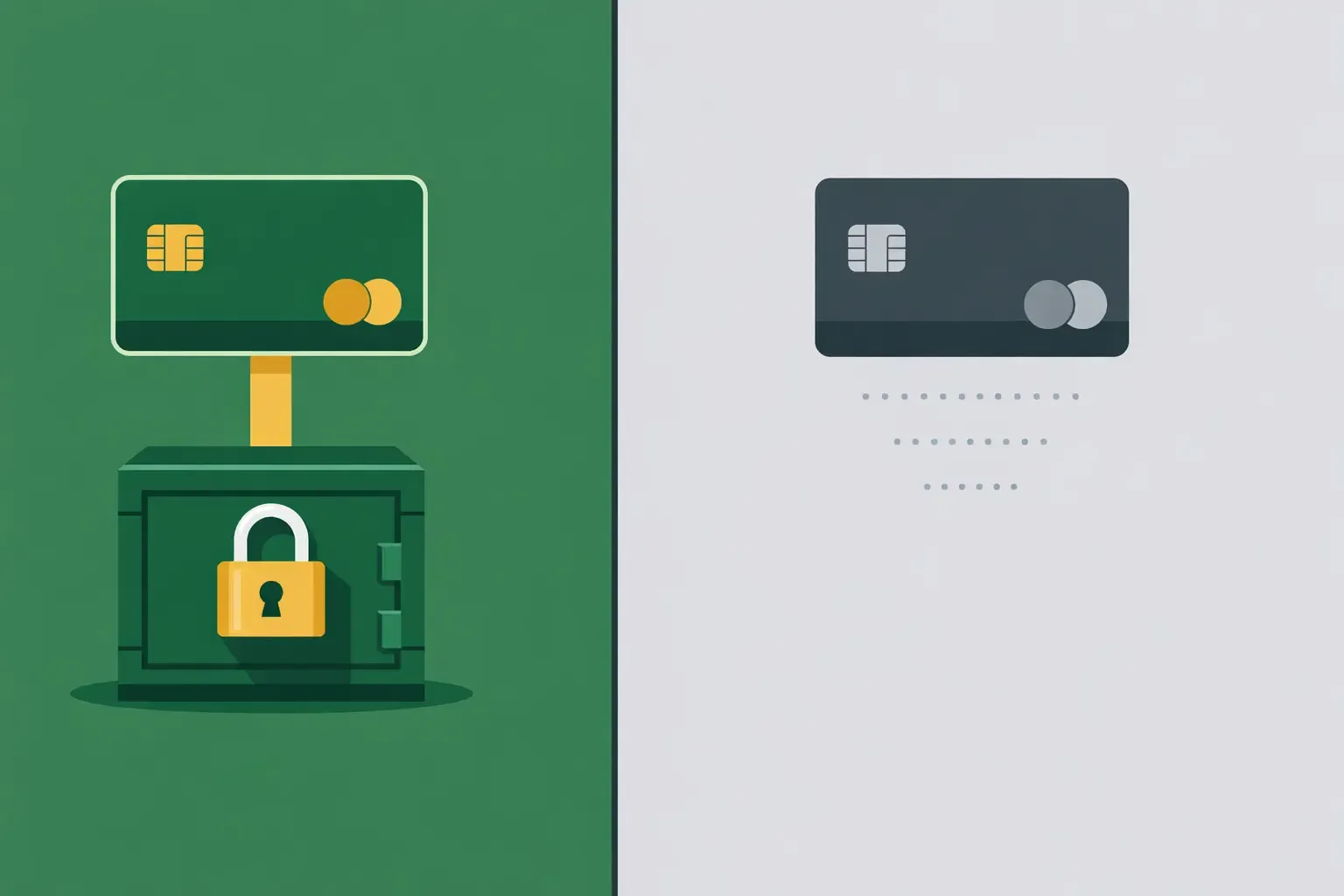
Summary: The Inquiry Impact Matrix
| Feature | Hard Inquiry | Soft Inquiry |
|---|---|---|
| Trigger | Loan/Card Application | Checking your own score / Pre-approvals |
| Score Impact | Temporary drop (often 5–10 points) | Zero impact |
| Lender Visibility | Visible to all banks | Invisible to banks (Only you see it) |
| Duration on Report | 24 Months | Up to 24 Months |
| Requires Your Consent | Yes | No |
The Reward Vita Protocol for Inquiries
To protect your score while still expanding your credit portfolio, follow these rules:
- The “1 in 3” Rule: Space out your credit card applications. Aim for a maximum of one new card every three months to give your score time to rebound from the hard pull.
- Hunt for Pre-Approvals: Before formally applying for a card and taking a point hit, check the bank’s website for pre-qualified offers. These rely on harmless soft pulls.
- Audit Your Report: Pull your CIBIL report quarterly. For even faster detection, you can enable “ CIBIL Alerts ” (available via CIBIL or partner platforms) to receive real-time email and SMS notifications the moment a new hard inquiry is added to your profile. If you receive an email alert for a bank you never applied to, it is an immediate red flag for identity theft or an administrative error. You have the right to dispute unauthorized inquiries immediately.